
When I left my parents’ house, I did not have a clear plan.
That chapter ended abruptly. I had my clothes, my camera equipment, my car, and the parts of my life I could carry with me. I was trying to figure out what came next while still processing what had just happened.
My friends made room for me before I had an answer.
They gave me a place to sleep, somewhere to keep my things, and enough privacy to begin coming back to myself. They did not ask me to have everything figured out first. They did not need me to explain the entire story before offering help.
They simply made space.
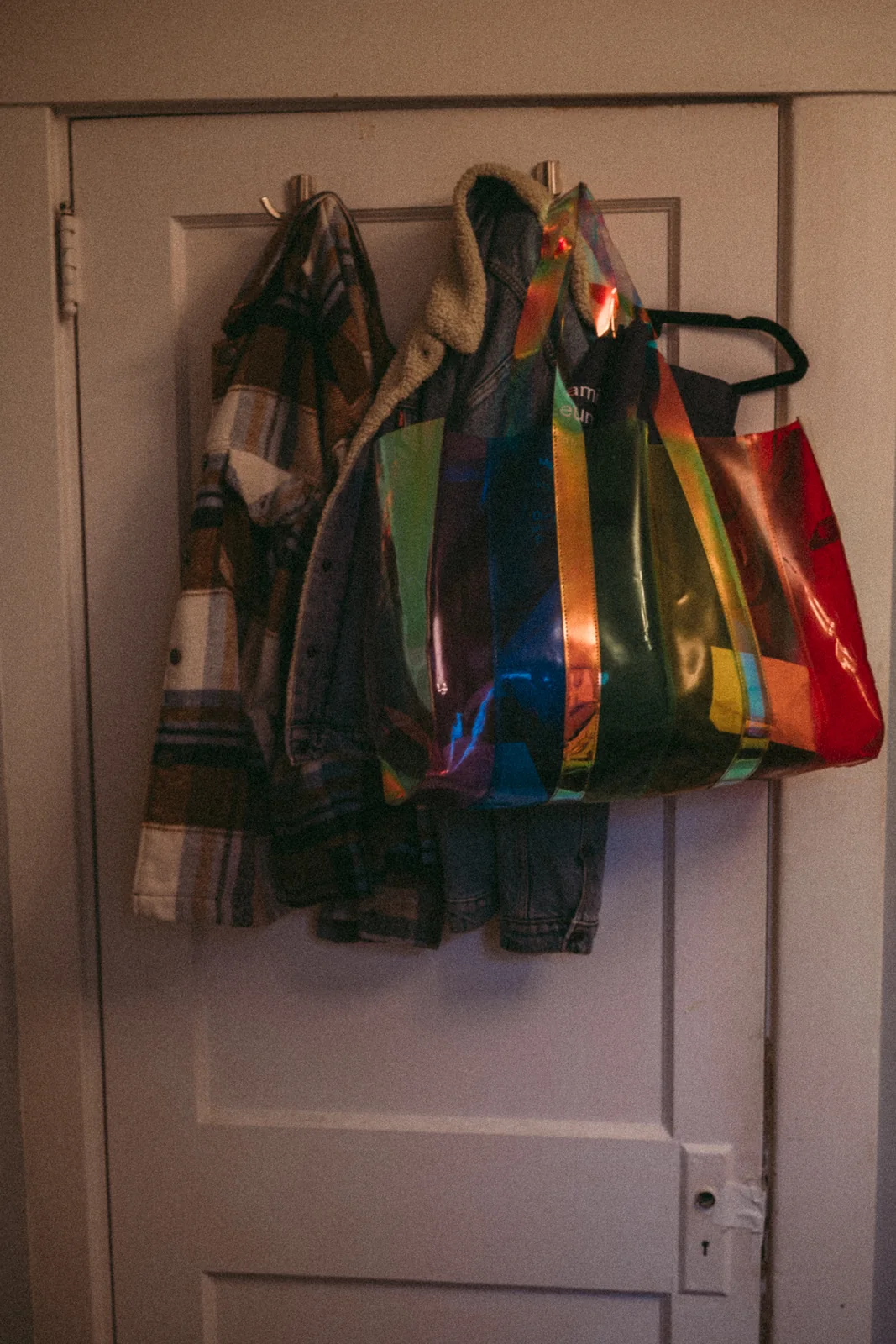
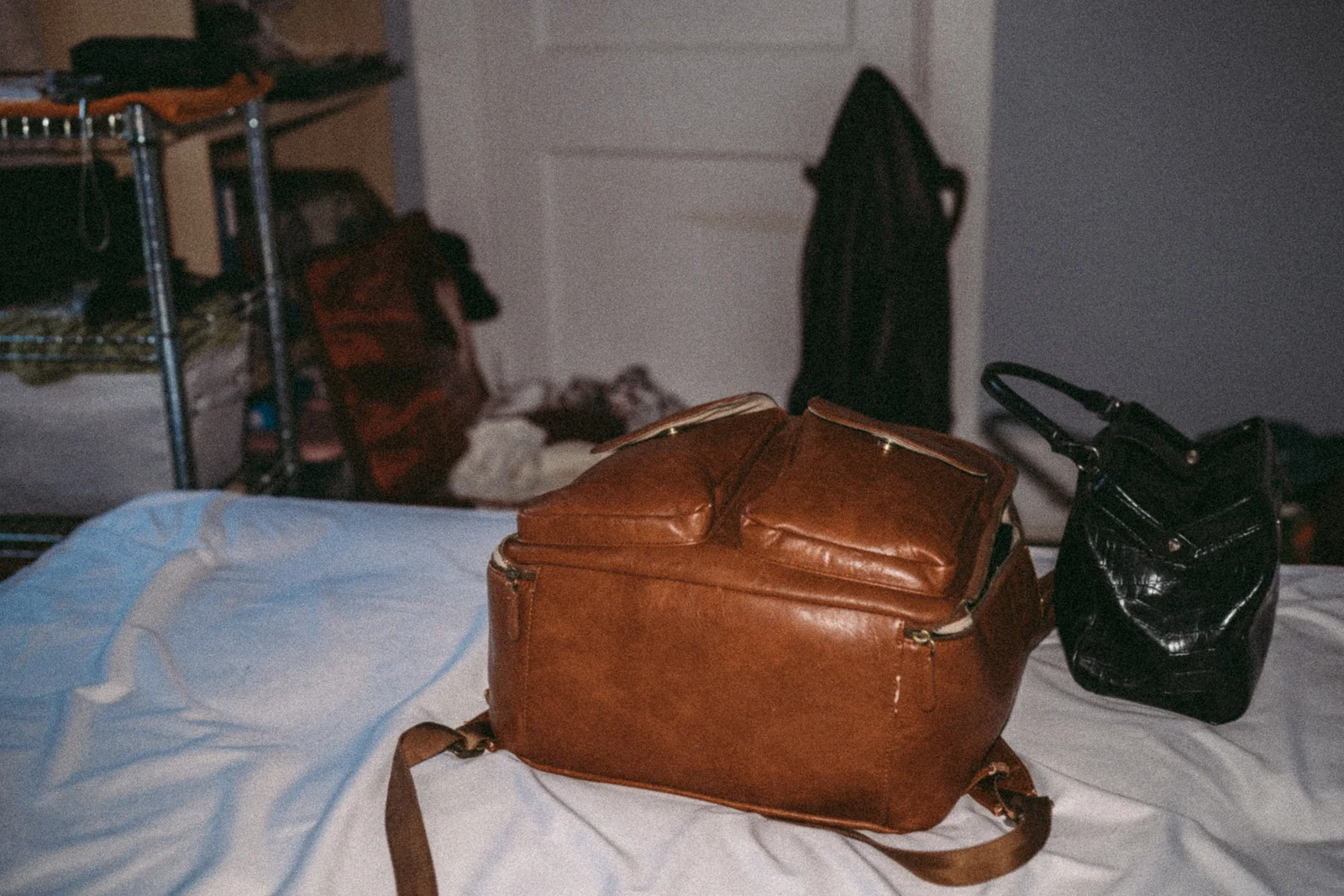
The room was never meant to become permanent. I arrived with bags still packed and belongings that had not found a proper place. Clothes gathered on the floor and beside the bed. Camera gear, food, water, toiletries, cords, and the practical pieces of my life stayed close enough to reach.

I never fully unpacked.
The bed became more than a place to sleep. It became a desk, a sorting table, a storage space, and the center of a small temporary world. My laptop sat beside me while I worked. Bags remained near the door. My car held the things I still needed to move with me.
Nothing about the room suggested that I had arrived at a final destination.
But for the first time in a while, I could rest.
That was the difference.

At my parents’ house, I had felt like I was waiting to be told to leave again. Even when I was inside, I did not feel secure. My body stayed alert. My belongings remained organized around the possibility of having to go.
Here, the uncertainty was still real, but it was not being used against me.
My friends could not give me permanence. They could not undo what had happened or decide what my life would look like next. What they gave me was smaller and, at the time, more necessary.
They gave me time.
They gave me a door I could close.
They gave me somewhere to put my body down without feeling like I had to earn the right to be there.
The photographs show a room in transition. The bed is rarely clear. The bags are visible. The floor carries evidence of someone still living partly out of what she can move. The car remains close, packed with work, clothing, and the possibility of another departure.
But the room also holds light.
The window opens toward trees and sky. Sunlight reaches the bed. The walls have color. The space feels connected to the world outside instead of sealed away from it.

The room did not erase the instability in my life. It held me inside it.
That distinction mattered.
For a while, my car had become the place where I felt safest. It was the only space I could fully control. I could lock the doors, choose where to go, and leave when I needed to.

At my friends’ house, I began to feel some of that safety without having to remain behind a steering wheel.
The room was not mine, but it had been made for me.
There is a difference between being allowed to stay somewhere and being made to feel that your presence has been considered. A blanket, a cleared surface, space for a bag, a place to charge a phone, food in the house, someone asking whether you need anything—none of those gestures are dramatic.
Together, they can keep a person from feeling as though they have disappeared.
This chapter is not about being rescued.
It is about being received.
I was still uncertain. I was still carrying most of my life with me. I still did not know how long I would stay or where I would go afterward.
But I was no longer being asked to survive every part of it alone.
The first home in this series belonged to my childhood.
The second was familiar but no longer felt safe.
The third was temporary, improvised, and offered by people who understood that sometimes home is not where you began or where you expected to return.
Sometimes home is the place someone makes for you when they see that you need somewhere to land.
For a while, that was enough.